Building a Scalable Healthcare Learning Ecosystem
Moving beyond one-time training.
Healthcare professionals rarely need information only once. Regulations change, new challenges emerge, teams need reinforcement, and sometimes the most valuable learning happens when someone is trying to solve a problem in the middle of the workday.
That challenge shaped my approach to developing a membership-based learning environment for long-term care professionals. Rather than creating another catalog of standalone courses, I helped build an ecosystem that brought together on-demand education, live learning, practical resources, professional continuing education, community engagement, and AI-enabled performance support in one accessible environment.
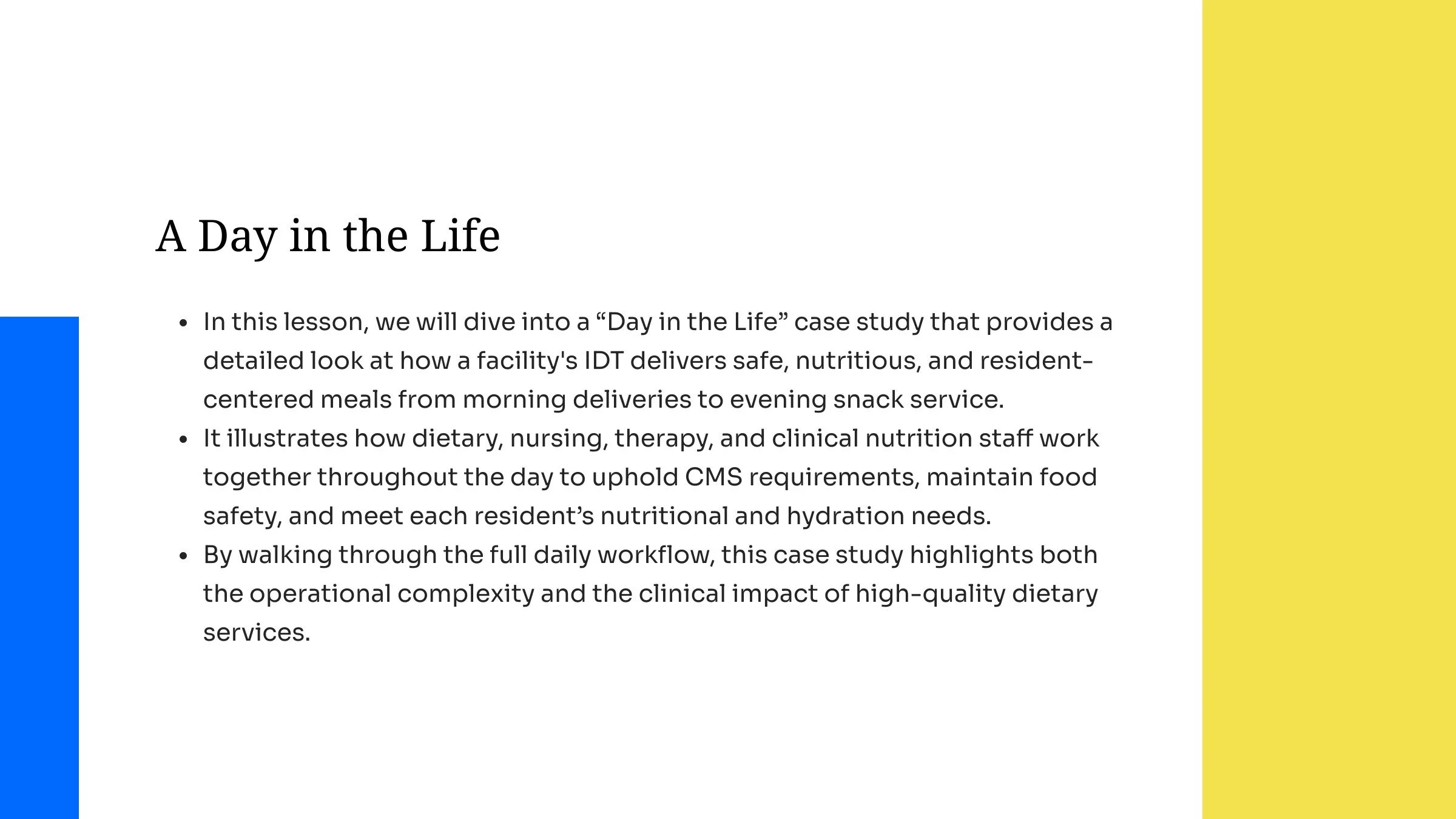
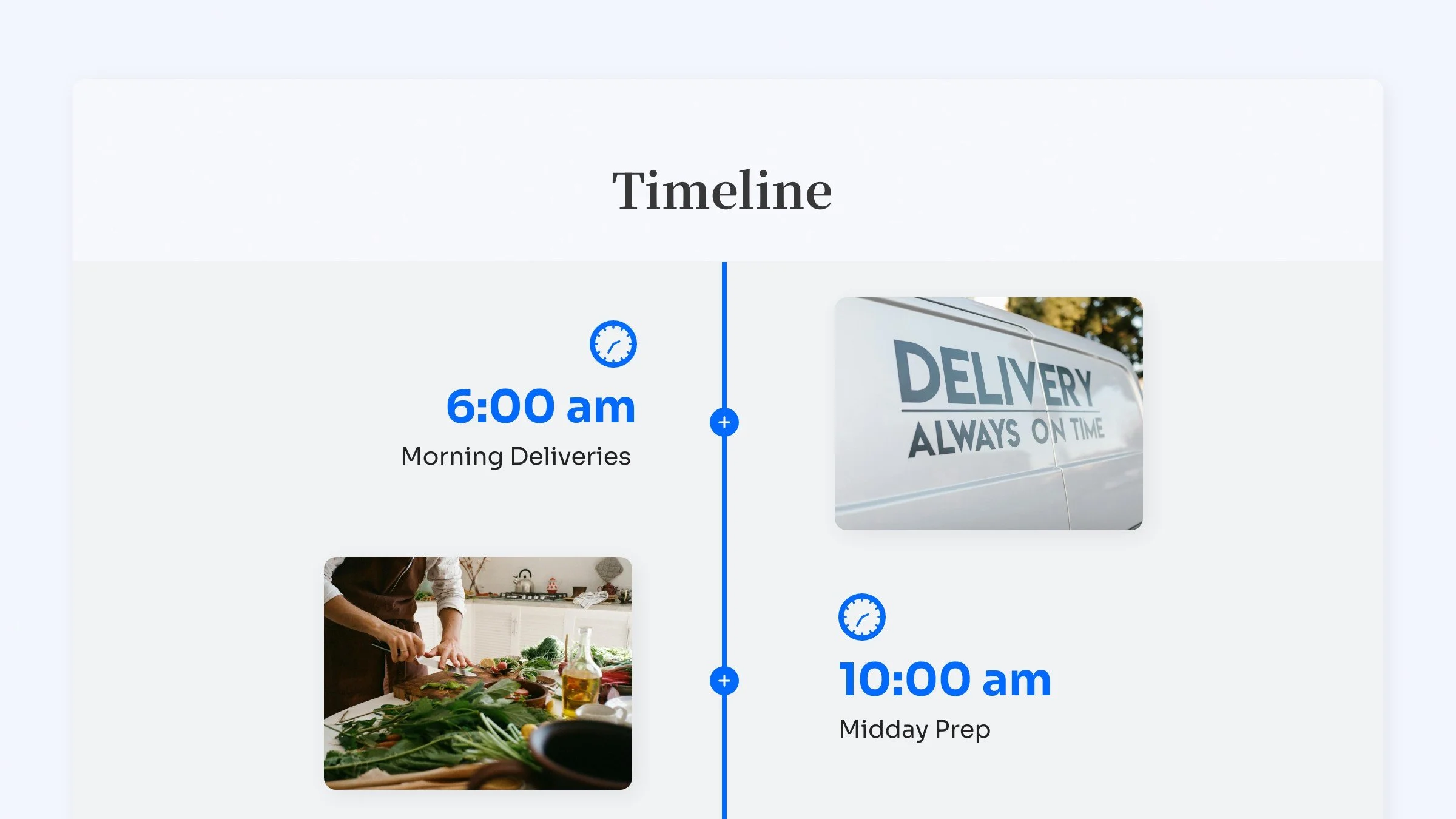
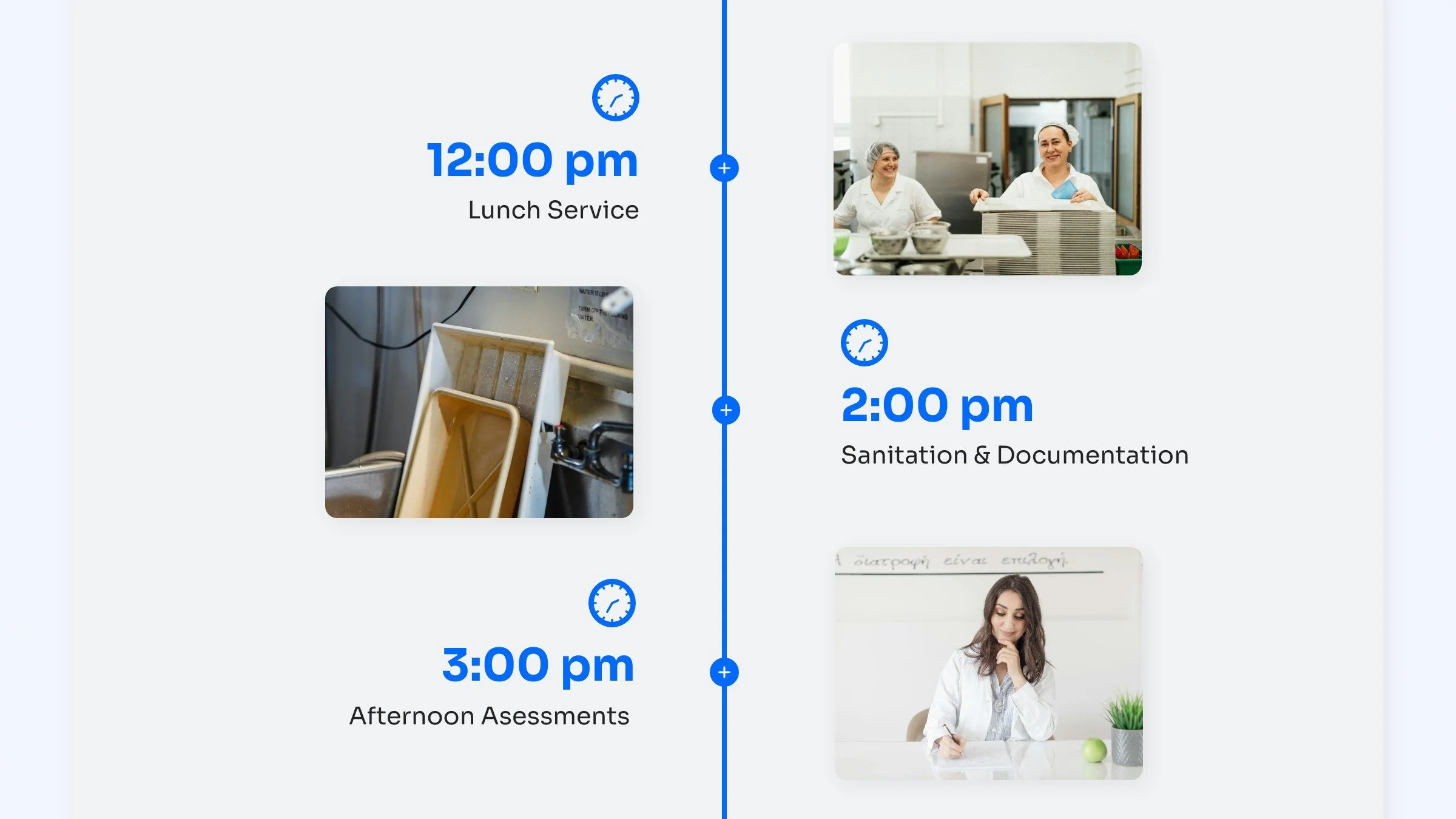
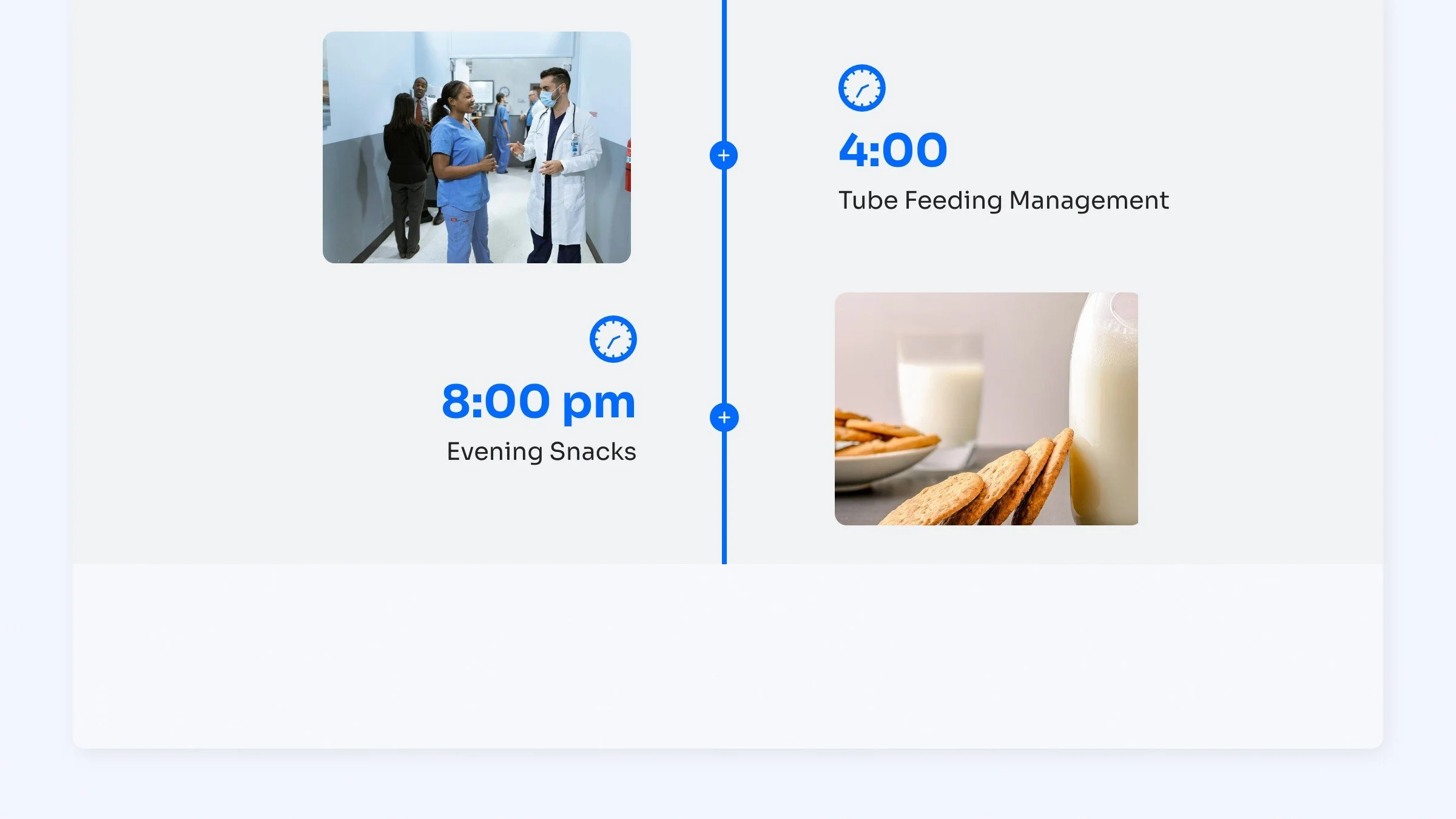
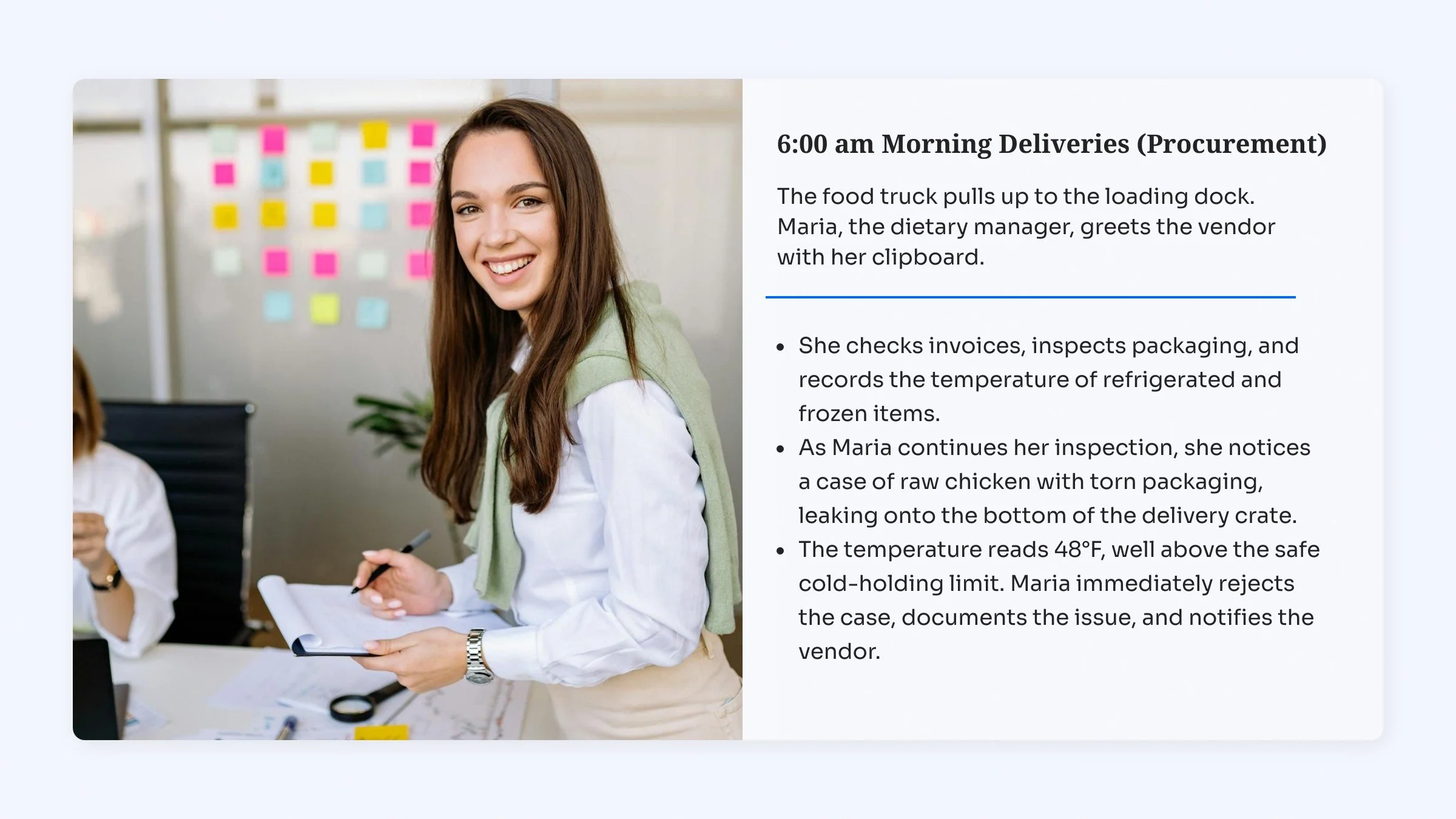
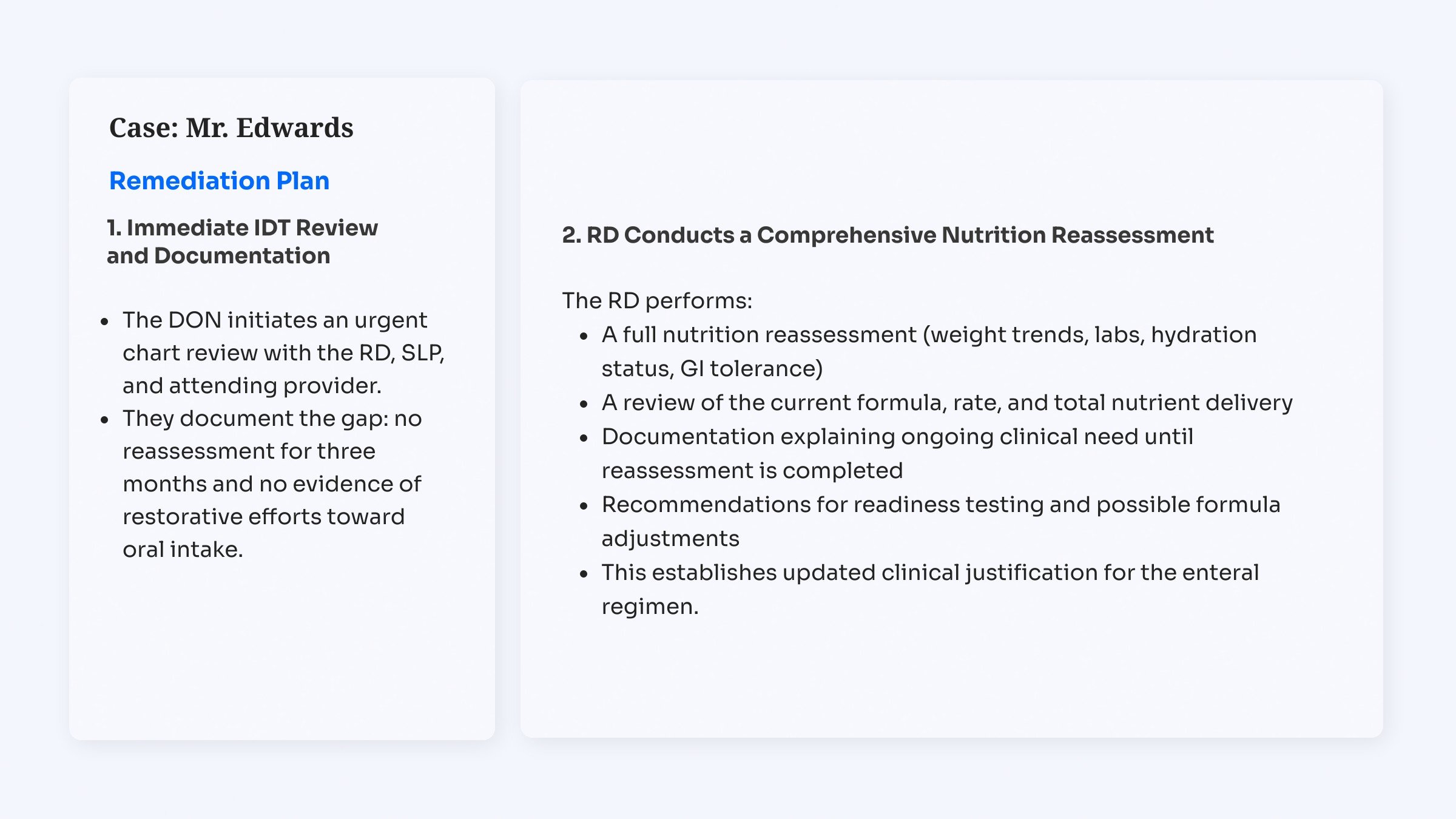
The strategy was intentionally broader than traditional training. Some needs called for a structured course. Others were better served by a webinar, a downloadable tool, a quick-reference resource, a discussion with peers, or immediate access to guidance.
That meant thinking beyond “What course should we build?” and asking a different question:
What does this professional need right now, and what is the most useful way to deliver it?
The result was a learning model designed to support both formal development and everyday performance. Content could be organized around emerging priorities, expanded as needs changed, and delivered in formats appropriate to different learning and performance challenges.
Designing for learning in the flow of work
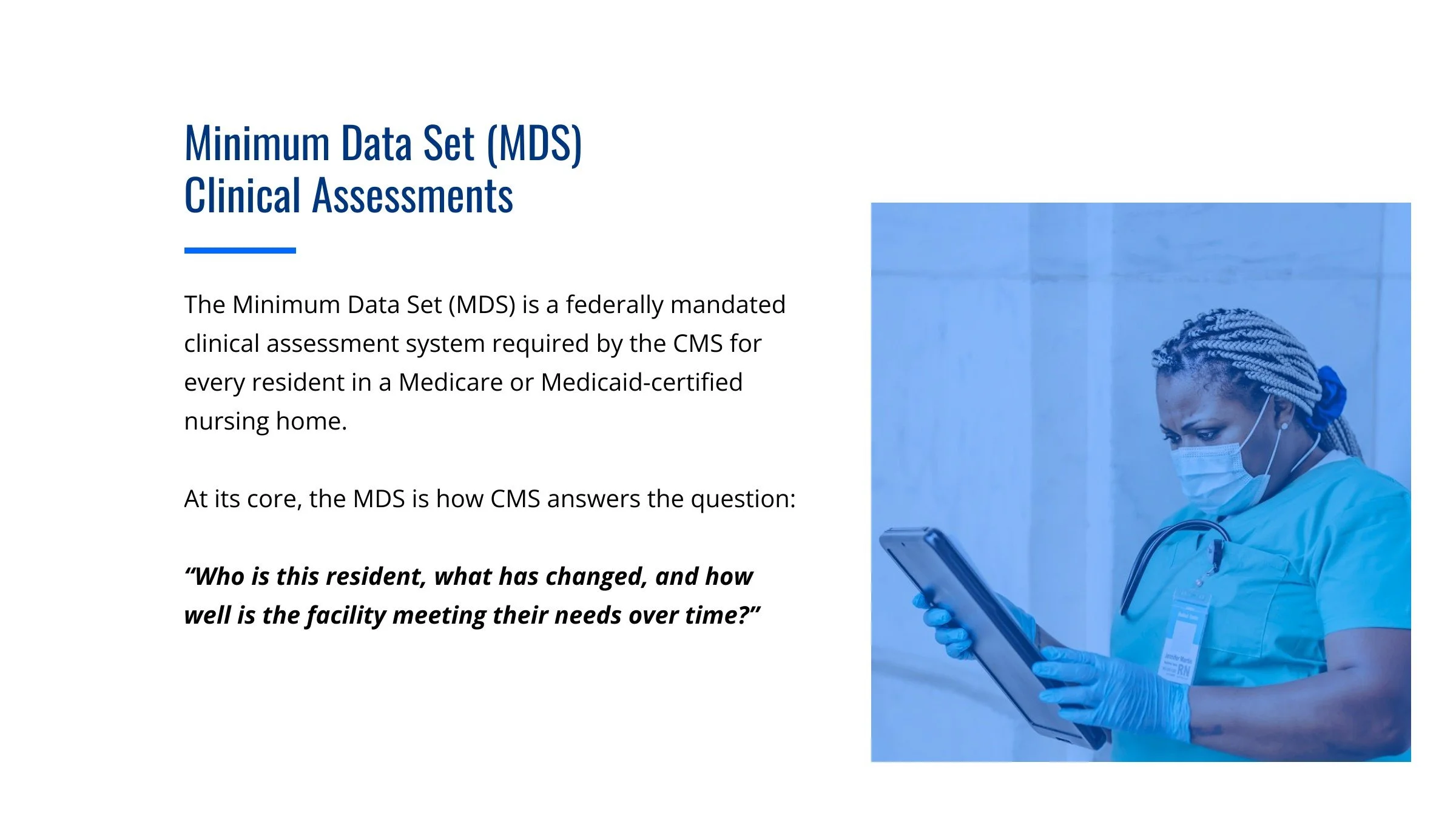
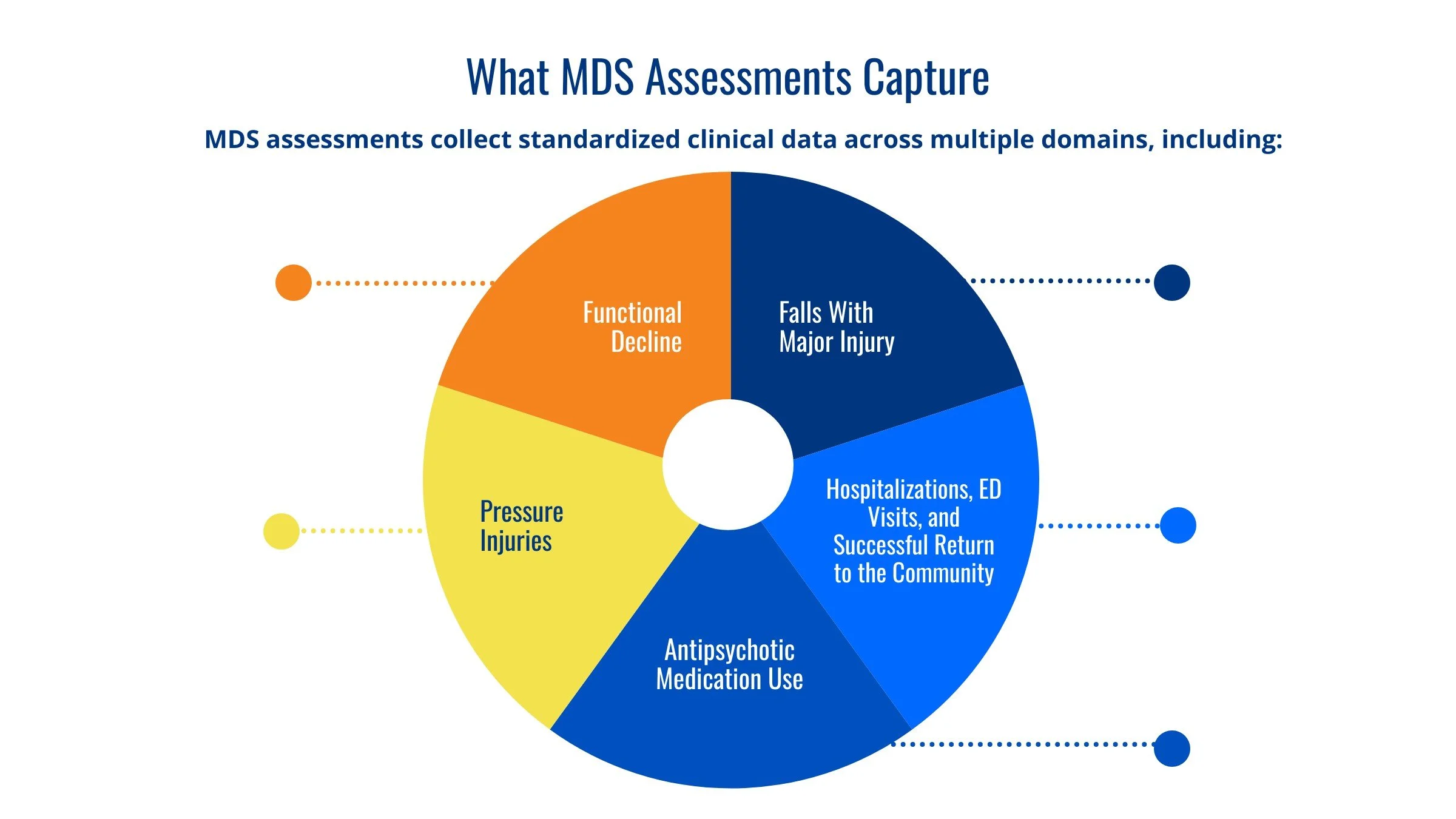
One of the most innovative elements was integrating an AI-enabled compliance support tool into the learning environment. This added another layer of support beyond scheduled training, giving users a way to explore regulatory and compliance questions as they arose in practice.
For me, this represented an important evolution in learning strategy: education doesn't have to end when the course does. A strong learning ecosystem can connect structured education with resources and performance support that remain available when people return to the job.
Designing for scale
Building the environment also required a focus on sustainability. Learning experiences needed to work across roles, topics, and changing organizational priorities without requiring every new need to become an entirely new solution.
Reusable learning structures, consistent design standards, centralized delivery, continuing education processes, and LMS-based reporting helped create an infrastructure capable of supporting a growing portfolio of healthcare education.
The project reinforced one of the principles that now guides my work: The goal isn't to build more training. It's to build the right learning and support around the work people actually need to do.